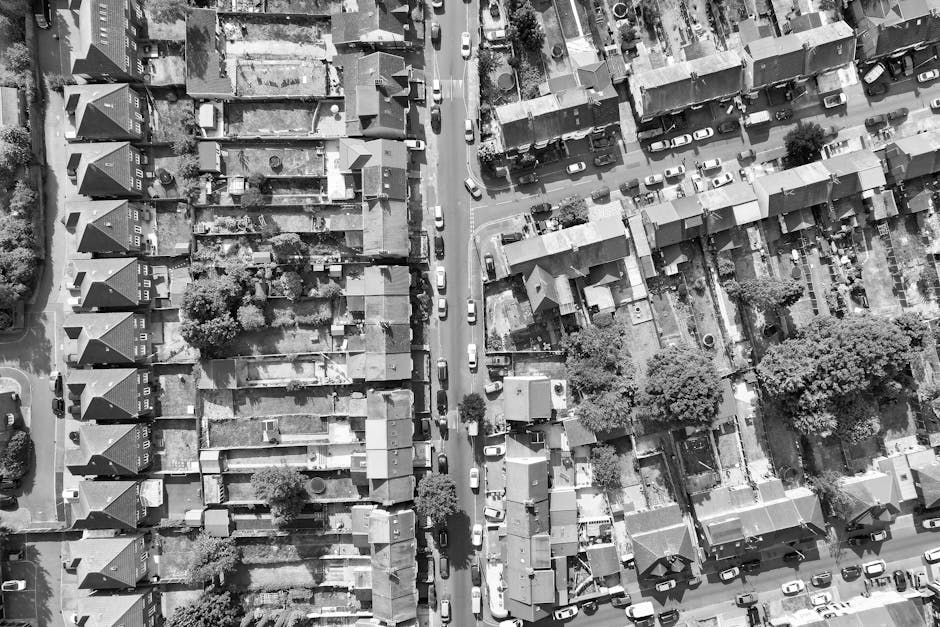
Chamberlayne Road removals planning Queens Park NW6
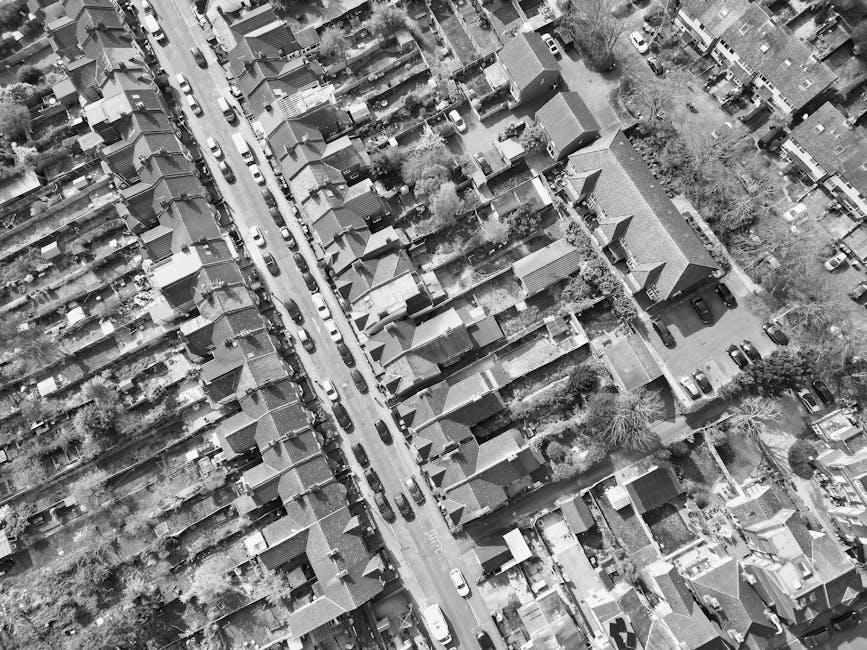
Moving on or around Chamberlayne Road is rarely just a matter of loading boxes and setting off. In Queens Park NW6, the details matter: narrow streets, parking pressure, shared entrances, staircases, neighbours who are trying to get on with their day, and the simple reality that one small delay can ripple through the whole move. That is why Chamberlayne Road removals planning Queens Park NW6 deserves proper thought, not a last-minute scramble.
If you are moving home, relocating a flat, or shifting furniture in this part of North West London, the right plan can save time, reduce stress, and protect your belongings. It can also help you avoid those awkward little problems that feel minor at first and then suddenly become the whole day. Let's make it clearer, practical, and manageable.
This guide breaks down what local removals planning involves, how to prepare, what to avoid, and how to choose the right approach for a move in Queens Park. You will also find a checklist, comparison table, and real-world examples to help you make sensible decisions without overthinking every single box. Because truth be told, moving is already enough.
Why Chamberlayne Road removals planning Queens Park NW6 Matters
Chamberlayne Road sits in a part of London where the everyday moving challenges are often magnified by location. Streets can be busy, parking can be tight, and access to front doors or communal entrances is not always straightforward. If you have ever tried to carry a mattress round a parked car while a delivery van waits behind you, you know the vibe. Not ideal.
Good removals planning matters because it reduces friction before moving day arrives. That means thinking through vehicle size, carrying distance, timing, packing order, lift access, and whether you need help with dismantling furniture or fragile items. It also means checking the practical realities of the property itself. A top-floor flat, for example, needs a different approach from a ground-floor maisonette.
In Queens Park, a well-organised move can also be the difference between keeping neighbours happy and creating avoidable disruption. Hallways, shared stairwells, and loading spots are all part of the picture. A considerate plan tends to make the day smoother for everyone, including you.
Expert summary: the more local the move, the more useful planning becomes. Short-distance removals still need structure, especially where access is awkward or timing windows are tight.
It is also worth saying that removals planning is not only about logistics. It is about confidence. When the route, packing, and schedule are clear, the move feels less like a gamble and more like a process you can actually steer.
How Chamberlayne Road removals planning Queens Park NW6 Works
At its core, Chamberlayne Road removals planning Queens Park NW6 is a practical coordination exercise. You look at the property, the access conditions, the items being moved, and the best time to move them. Then you match the right level of service to the job. Simple in theory. Slightly less simple in real life, as most London moves are.
A sensible plan usually starts with a survey of what needs moving. That can be an informal walk-through, photos, or a more detailed assessment if you have bulky, fragile, or unusually valuable items. Once that is clear, you can think about packing materials, van size, number of movers, and whether storage or same-day turnaround is needed.
For local households, the process often includes:
- identifying the best loading point near the property;
- working out whether parking space or short-stay access will be needed;
- checking stair access, door widths, and lift availability;
- packing rooms in a sensible order so essential items stay easy to find;
- deciding whether the move needs a small van, a larger vehicle, or multiple trips.
If you are comparing service types, a flexible option such as man and van can work well for smaller local jobs, while fuller house moves often need a bigger, more structured approach. For larger family homes, a dedicated house removals service or a broader removal services package may be more appropriate.
Some moves also involve a split schedule. You might move the essentials first, then return for storage items, extra furniture, or things that only become accessible once the property is empty. That kind of staggered planning is very common in London, and it can be a lifesaver when completion timings are not perfectly aligned.
Key Benefits and Practical Advantages
Proper removals planning does more than keep things tidy on paper. It changes how the move feels and how much risk is involved. And yes, that matters. Nobody wants to spend a whole morning hunting for tape while the kettle, bedding, and keys are all in different places.
The main practical advantages are straightforward:
- Less stress: clear steps reduce the mental load before moving day.
- Better time control: you spend less time improvising, queuing, or shuffling boxes around.
- Lower risk of damage: properly packed items are less likely to be knocked or crushed.
- Better access planning: you avoid surprises such as a van that is too large or a loading spot that is already occupied.
- Cleaner handover: if you are leaving a rented flat or selling a property, a well-managed move helps the day finish more neatly.
There is also a very real emotional benefit. When the practical pieces are under control, you can actually notice the move rather than just survive it. A cup of tea between trips. A quick breath by the window. Small stuff, but it adds up.
For many people, the biggest advantage is simply knowing what to expect. If you have already mapped out the route, the lifting points, and the packing sequence, the move stops feeling mysterious. It becomes work, yes, but work you can get through.
Who This Is For and When It Makes Sense
This kind of local planning is useful for far more people than you might think. It is not only for large households or complicated moves. In fact, some of the most planning-heavy jobs are the ones that seem small at first glance.
It makes sense if you are:
- moving from a flat on or near Chamberlayne Road;
- relocating between Queens Park and another part of London;
- moving into a property with limited parking or narrow access;
- handling a same-day exchange and completion;
- transporting a few bulky pieces rather than a full household;
- trying to fit a move around work, school runs, or building access rules.
It is also sensible for students, first-time movers, landlords arranging tenant turnover, and small businesses shifting stock or equipment locally. The exact scale changes, but the principle stays the same: good planning prevents the move from becoming messy for no good reason.
To be fair, even if you have moved before, each property in NW6 can throw up its own quirks. One building has a brilliant lift but awkward entry steps. Another has easy street access but no room to wait. The local map matters, not just the destination.
If you are comparing moving support for smaller or mixed loads, removals solutions can cover a lot of scenarios without overcomplicating the process. For lighter local transport, man with van arrangements can also be a practical fit when the job does not require a full-scale team.
Step-by-Step Guidance
Here is a clear way to approach Chamberlayne Road removals planning Queens Park NW6 without making it harder than it needs to be.
- Start with the property layout. Measure key items, check stairs, hallways, and doorways, and think about how the largest pieces will leave the property.
- List everything you are moving. Split it into essentials, fragile items, heavy items, and anything that can go into storage or be moved separately.
- Choose the right level of support. A small flat might only need a flat removals service, while a family move may call for fuller planning and more hands.
- Decide on packing responsibilities. Will you pack everything yourself, or do you want help from packing and unpacking services? If the move is time-sensitive, that decision can matter a lot.
- Set a realistic moving window. Avoid squeezing the job into a slot that feels too tight. London traffic, building access, and waiting times can all stretch a neat plan.
- Prepare labels and room categories. Mark boxes by room and priority so the unloading side is faster and calmer.
- Confirm access details before the day. Check entry codes, lift bookings, parking considerations, and any restrictions on moving times.
- Pack an essentials bag. Keep keys, medication, chargers, documents, snacks, and a change of clothes with you. The obvious things are the ones people forget. Naturally.
- Build in a contingency. If something runs late, know what can wait and what cannot.
A good rule is this: if an item is awkward to carry, expensive to replace, or annoying to unpack, give it extra attention before moving day. That might sound obvious, but in the middle of a move, obvious things vanish fastest.
Expert Tips for Better Results
After enough local moves, certain habits stand out. They are not flashy, just effective. And frankly, that is what you want on moving day.
1. Do not underestimate the street itself. Chamberlayne Road and the surrounding Queens Park streets may look manageable at first glance, but loading space can be tighter than expected. If a van will need to pause nearby, plan for that early rather than assuming it will sort itself out.
2. Keep heavy items grouped strategically. Put the heaviest boxes low and close to where they need to be loaded. It sounds basic, but it saves time and reduces strain.
3. Protect corners and edges. In tight stairwells, the damage often happens on turns, not in the open spaces. Blankets, wraps, and careful handling make a real difference.
4. Think in zones, not just rooms. One box for bathroom essentials, one for kitchen basics, one for first-night bedroom items. You will feel the benefit the same evening, when you are not rummaging through six random cartons for a mug.
5. Ask the awkward question early. Do you need help dismantling the bed? Is the sofa going to fit through the hallway? Are there any parking issues outside the building? Better to ask before the van arrives, not after.
6. Use storage when timing is messy. If your dates do not line up cleanly, a short-term storage plan can take the pressure out of the move. That is especially useful when completion dates shift, which, let's face it, can happen.
If you are moving a piano, valuable furniture, or awkward large pieces, specialist handling is worth considering. It is one of those things where expert support pays for itself in calm, if nothing else.
Common Mistakes to Avoid
Most moving problems are not dramatic disasters. They are small misjudgements that stack up. One box too heavy, one van too large, one staircase not properly measured. Then suddenly the day feels twice as long.
Here are the most common mistakes:
- Leaving packing too late. Last-minute packing almost always leads to breakage or confusion.
- Ignoring access constraints. If the building is awkward, plan around it. Do not hope it will be fine.
- Choosing a vehicle without checking the load. A van that is too small means extra trips; one that is too large may be hard to place.
- Forgetting to label essentials. A kettle buried under cushions is not much use when you are tired and hungry.
- Not communicating building rules. Some properties have expectations about moving hours, entry, or lift use.
- Assuming all removals are the same. A local flat move is different from a house move or a business relocation.
One easy way to avoid trouble is to treat planning as part of the move, not an optional extra. The move starts when you first map the route and list the risks. Not on the day the van arrives.
And yes, people do still discover they packed the charger, the bedding, and the teabags in different boxes. Every time.
Tools, Resources and Recommendations
You do not need a mountain of equipment to make a local move work, but a few basics make life noticeably easier. A bit of preparation goes a long way here.
Useful tools and supplies include:
- strong boxes in mixed sizes for books, kitchenware, and clothes;
- packing tape and a dispenser, because tape by itself is never as convenient as people think;
- marker pens and labels for room-by-room identification;
- blankets, wraps, or covers for furniture protection;
- stretch wrap for drawers, doors, or awkward item bundles;
- basic tools for dismantling beds, tables, or shelving;
- a trolley or dolly if you are moving heavier loads yourself;
- storage boxes or crates for items you may need to access quickly.
If you need help with box preparation, packing and boxes support can simplify the early stage of the move. For larger pieces of furniture, furniture removals or even furniture pick up may be more appropriate depending on what you are moving.
When comparing transport options, a removal van can suit a wide range of local jobs, while a moving truck may be better for larger loads. For especially small jobs, a straightforward man with a van solution can be enough. The right tool depends on the job, not the other way round.
It can also help to keep one simple folder or note on your phone with dates, access details, contact numbers, and what is going where. Nothing fancy. Just enough to stop you relying on memory while carrying a sofa. Which is not a great time to test your recall.
Law, Compliance, Standards, or Best Practice
For local moves in Queens Park, compliance usually comes down to common-sense best practice, property rules, and safety awareness rather than anything complicated. Still, those details matter. The smoothest moves are usually the ones that take responsibility seriously from the start.
Here are the main areas to keep in mind:
- Property access rules: flats, managed buildings, and shared entrances may have moving-hour expectations or booking requirements.
- Parking and loading considerations: if the vehicle needs to pause close to the property, plan the arrangement properly rather than assuming there will be space.
- Health and safety: lifting, carrying, and stair work should be handled with care, especially with heavy or awkward items.
- Insurance awareness: if you are moving valuable or fragile items, check what level of cover and handling is offered.
- Environmental responsibility: reduce waste where possible by reusing boxes, donating unwanted items, and recycling packaging sensibly.
It is also sensible to work with a provider that is transparent about its policies. That includes things like health and safety policy, insurance and safety, and recycling and sustainability. These pages do not replace your own checks, but they can help you judge how seriously a company approaches the job.
For terms, payments, and service expectations, it is always wise to read the provider's published terms and conditions and review their payment and security information. Clear expectations tend to prevent misunderstandings later on, and that is especially useful when timings are tight.
Best practice in removals is simple: protect people, protect property, and communicate clearly. That is about as unglamorous as it gets, but it works.
Options, Methods, or Comparison Table
Different moves call for different methods. A one-size-fits-all approach usually wastes time or money, and sometimes both. The table below gives a practical comparison of common options for Chamberlayne Road removals planning Queens Park NW6.
| Option | Best for | Typical strengths | Things to watch |
|---|---|---|---|
| Man and van | Small local moves, single-room loads, quick transfers | Flexible, practical, good for short distances | May not suit large households or bulky furniture |
| Flat removals | Flats with limited access or shared entrances | Suited to stairs, compact spaces, and local logistics | Needs careful scheduling if parking is tight |
| House removals | Larger family homes or multi-room properties | More structured support, better for bigger inventories | Requires more planning and often more loading time |
| Packing and unpacking support | Busy households, last-minute moves, fragile contents | Saves time, improves organisation, reduces stress | Adds extra service scope, so plan ahead |
| Storage-based move | Delayed handovers, refurbishment gaps, date uncertainty | Flexible when move-out and move-in do not align | Requires planning for access and timing |
The right option depends on what you are moving, how quickly you need it done, and how accessible the property is. If you are unsure, it is usually better to start with the more detailed option and scale down only if the load is clearly light. Underestimating a move is a classic London mistake.
Case Study or Real-World Example
Imagine a couple moving from a two-bedroom flat near Chamberlayne Road into a property a short distance away in NW6. On paper, it looks straightforward. Same area, short travel time, not a huge load. But the old flat has two flights of stairs, a narrow landing, and limited waiting space outside. The new property has easier access, but only a small unloading window because of building management rules.
At first, they think a quick same-day move will do. Then they review the details. They separate essentials, label each room clearly, and move some non-urgent items into short-term storage for a week. They also choose a vehicle that can handle the larger furniture without multiple awkward trips. They do not overpack the boxes. A small thing, but a crucial one.
On moving day, the loading goes more smoothly because the heaviest items are ready first and the route through the building was thought through in advance. The kettle, bedding, and a few essentials are easy to find at the end. No one is rummaging through three kitchen boxes looking for mugs while standing in a hallway full of cardboard. Which, frankly, is a victory in itself.
The takeaway from this example is not that the move was unusual. It is that even a short local move can feel complicated if access, timing, and packing are left vague. Good planning turns a potentially messy morning into a process with a clear shape.
Practical Checklist
Use this checklist as your final pre-move sanity check. It is the kind of list that saves the day when the week gets busy and everything starts blending together.
- Confirm moving date and time window.
- Check access routes at both properties.
- Measure furniture, doors, and stair turns if needed.
- Decide whether you need packing help.
- Choose the right vehicle or service size.
- Label boxes by room and priority.
- Set aside essentials for the first night.
- Protect fragile and valuable items carefully.
- Arrange parking or loading plans where relevant.
- Review insurance, safety, and service terms.
- Keep important documents and keys with you.
- Plan for storage if dates do not align cleanly.
Practical tip: if a task feels too small to write down, write it down anyway. That is usually the one people forget.
Conclusion
Chamberlayne Road removals planning Queens Park NW6 is really about making a local move feel controlled, respectful, and much less tiring than it would otherwise be. The right plan takes into account access, timing, vehicle choice, packing, and the realities of moving in a busy part of London. Once those pieces are in place, the whole process becomes more manageable.
If you are weighing up your options, start with the property, not the van. Start with the load, not the guess. And if anything feels uncertain, simplify the move rather than forcing it into a narrow plan that does not quite fit. That approach tends to save time, money, and a surprising amount of stress.
For more about the company behind these services, you can also explore the about us page, or review the main removal companies and home moves options if you are still deciding what level of support makes sense. If you need a clearer idea of scope and planning, the pricing and quotes page may help you compare your next step more confidently.
Get a free quote today and see how much you can save.
Moving day should feel like progress, not chaos. With a steady plan and the right local support, it absolutely can.
Frequently Asked Questions
What does Chamberlayne Road removals planning Queens Park NW6 actually involve?
It involves organising the move around the realities of the property and the street: access, parking, packing, timing, load size, and the safest way to move belongings without unnecessary delays.
Is this only for big house moves?
No. It is just as useful for flat moves, student moves, furniture transfers, and smaller local jobs where access is awkward or the timing is tight.
How far in advance should I plan a move in Queens Park?
The earlier the better, especially if you need parking coordination, packing help, or a specific move date. Even for local moves, a little lead time helps avoid rushed decisions.
What if my move-out and move-in dates do not line up?
Storage can help bridge the gap. It is often the simplest solution when keys, completion, or refurb work do not align neatly.
Do I need a large van for a local move in NW6?
Not always. The right vehicle depends on what you are moving. A smaller van can be enough for light or single-room loads, while larger homes or bulky furniture may need more space.
What should I pack first?
Start with non-essential items: books, decor, spare linens, seasonal clothing, and anything you will not need before moving day. Leave essentials for last so you can keep living normally for longer.
How do I protect furniture on narrow stairs?
Use blankets or covers, remove detachable parts, and plan the route before lifting. Narrow stairs are where corners get knocked, so patience matters more than speed.
Is packing help worth it?
Often yes, especially if you are short on time, moving a lot of fragile items, or trying to reduce stress. It can also make unloading and settling in much easier.
What if parking is difficult outside my property?
That should be factored into the plan early. If access is tight, the move may need adjusted timing, a different vehicle size, or a shorter carrying route.
How do I know which removals service is right for me?
Think about the size of the load, the property layout, and how hands-on you want the move to be. Smaller loads often suit man and van options, while larger or more complex moves may need fuller removals support.
Should I check insurance before booking?
Yes. It is sensible to understand what cover is in place and how fragile or high-value items will be handled. That kind of clarity is worth a lot on moving day.
What is the biggest mistake people make with local removals?
Assuming the move will be simple just because it is local. In Queens Park, access and timing can matter as much as distance, sometimes more.